Brickell Condo vs South Miami Suburbs: Lifestyle Guide
March 5, 2026
March 5, 2026
Picture your mornings. In Brickell, you might grab coffee downstairs and ride the free Metromover two stops to the office. In South Miami, you step into your garage, load the kids, and head north along tree-lined streets toward Coral Gables or Downtown. Both paths work. The key is matching your budget, commute, space needs, and long-term plans to the right place. In this guide, you will compare costs, commute options, amenities, schools, maintenance factors, and resale considerations to decide if Brickell condo living or a South Miami suburb fits you best. Let’s dive in.
Brickell is mostly condo inventory, so entry price points are lower than nearby single-family suburbs. Recent snapshots show Brickell’s median sold price around $575,000, while median listing prices in some Brickell pockets often run $700,000 to $800,000. Coral Gables single-family homes typically sell much higher, with recent medians in the low to mid $1.6 million range. In Pinecrest, medians often land in the multi-million range, and South Miami varies by product mix but often shows medians around $1.0 million to $1.3 million. Figures fluctuate by month, building, and micro-neighborhood, and they also differ depending on whether you look at sold price or list price.
Monthly costs look different, too. In Brickell, you trade yard and exterior upkeep for a predictable condo association fee. Many buildings show HOA charges between roughly $700 and $1,700 per month, depending on the age of the tower, staffing, and amenities. In South Miami’s single-family neighborhoods, you might pay little or no HOA, but you will cover roof, yard, pool, tree care, pest control, and exterior maintenance on your own. A helpful rule of thumb: condos concentrate costs in HOA fees, while single-family homes spread them across multiple vendors and line items.
Taxes and insurance matter in any Miami-Dade budget. Miami-Dade’s effective property tax rate often falls around 0.7 to 0.8 percent, but your bill depends on assessed value and exemptions. You should also plan for wind and hurricane coverage, plus separate flood insurance where required. Flood pricing has shifted in recent years due to FEMA’s Risk Rating 2.0 and local market dynamics, so it is wise to review current guidance from the Realtor association and get quotes early. For a quick property tax check, use a Florida tax calculator that reflects county-level rates like the one from SmartAsset.
If you value a car-light lifestyle, Brickell has a clear transit edge. The free Metromover circulates through Brickell and Downtown, and Metrorail connects Brickell to Coconut Grove, Coral Gables, South Miami, and the Dadeland corridor. Many professionals choose Brickell to simplify daily trips and remove parking from the equation. Suburban areas can be convenient by car, but they are more reliant on driving for most errands.
Typical drive times vary with traffic. Brickell to Coral Gables can run roughly 10 to 30 minutes by car. Brickell to South Miami and Dadeland is often about 12 to 25 minutes. Pinecrest and Palmetto Bay tend to be longer at 20 to 35 minutes or more, depending on the exact start and end points. Transit to the inner suburbs can be competitive on time, especially to Coral Gables or South Miami via Metrorail, while trips to Pinecrest and Palmetto Bay are often less direct.
To set expectations, test your route at your actual commute hour. Tools like Moovit can show real-time rail and transfer timing, and they are useful for previewing door-to-door trips that combine Metrorail and short walks. A Coral Gables commute from Brickell by train often looks like 30 to 35 minutes door-to-door.
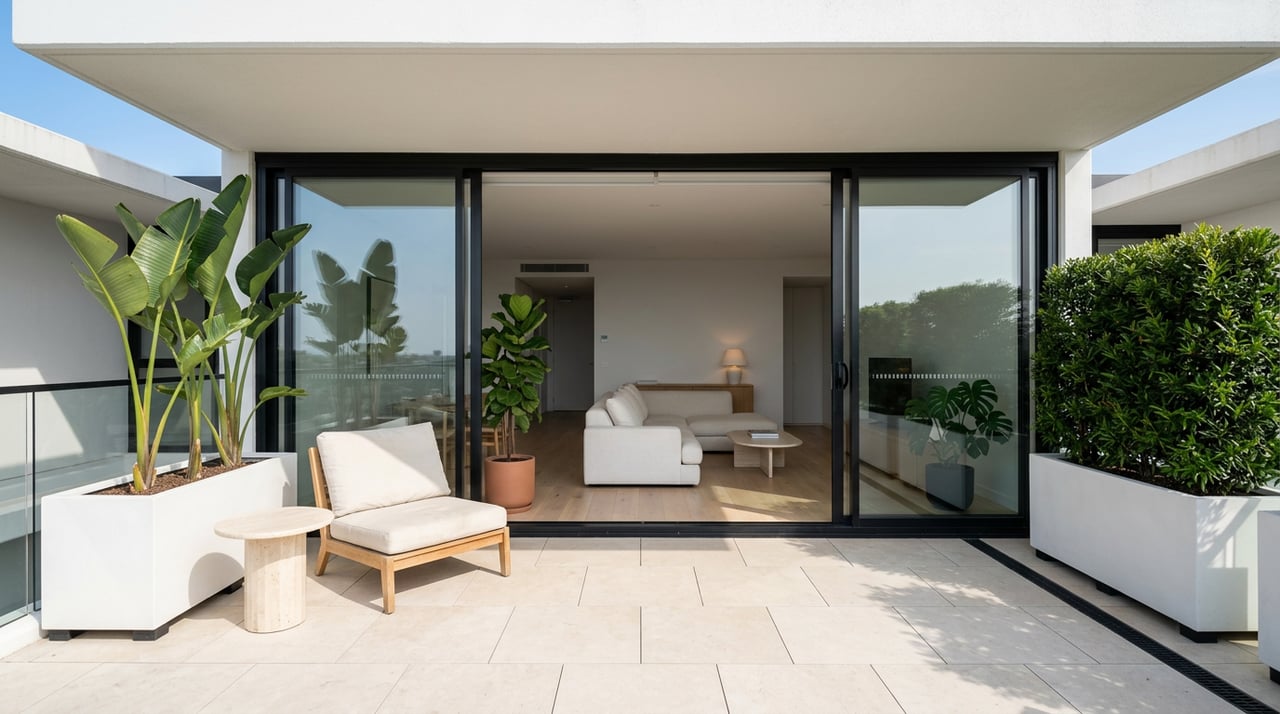
Brickell is urban and amenity-rich. Many towers include pools, staffed lobbies, gyms, co-work lounges, and valet. Daily life is highly walkable with shopping and dining anchored by Brickell City Centre and Mary Brickell Village. If you want to meet friends after work without getting in a car, Brickell delivers a dense lifestyle core. For a feel of the neighborhood’s urban energy and convenience, take a look at this overview from Brickell Magazine: Brickell’s urban experience.
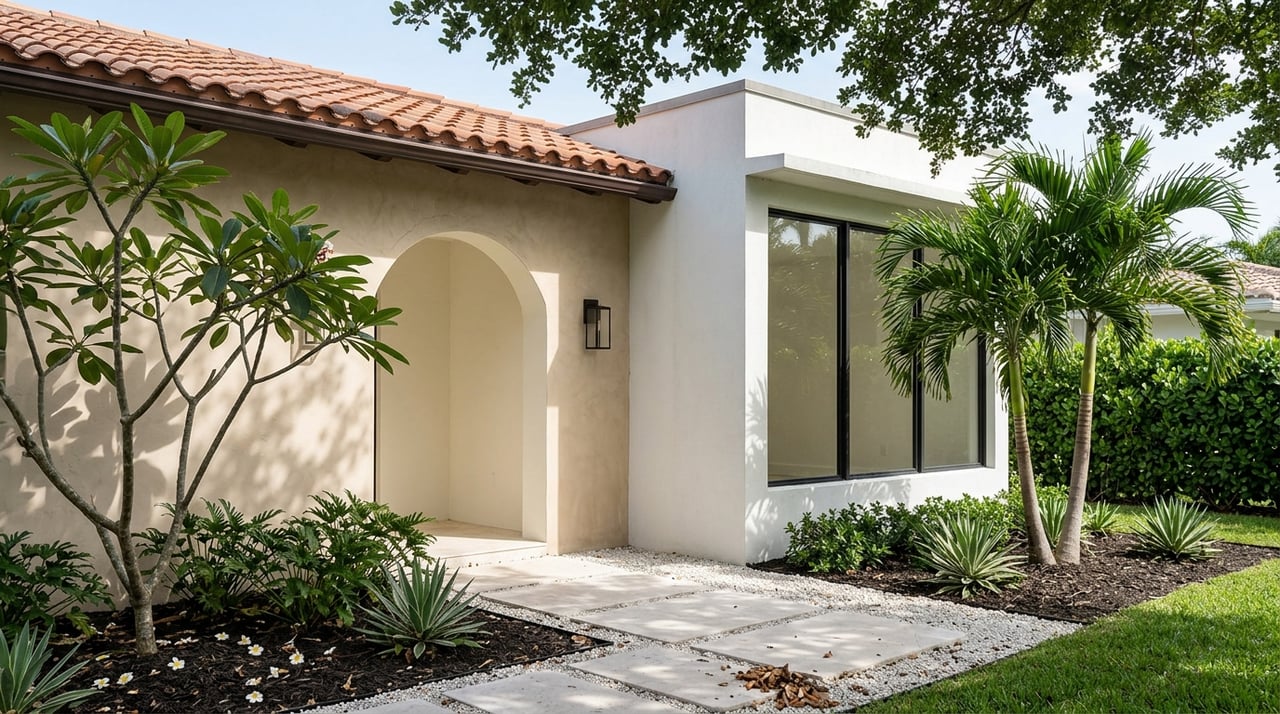
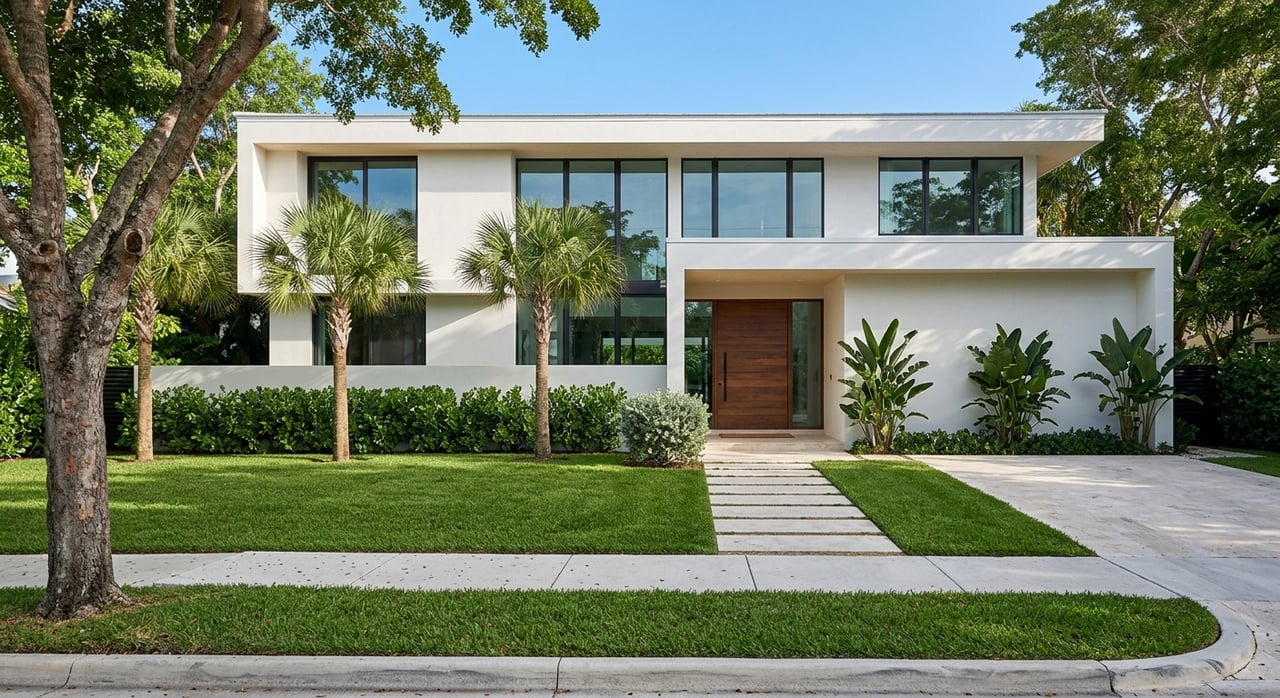
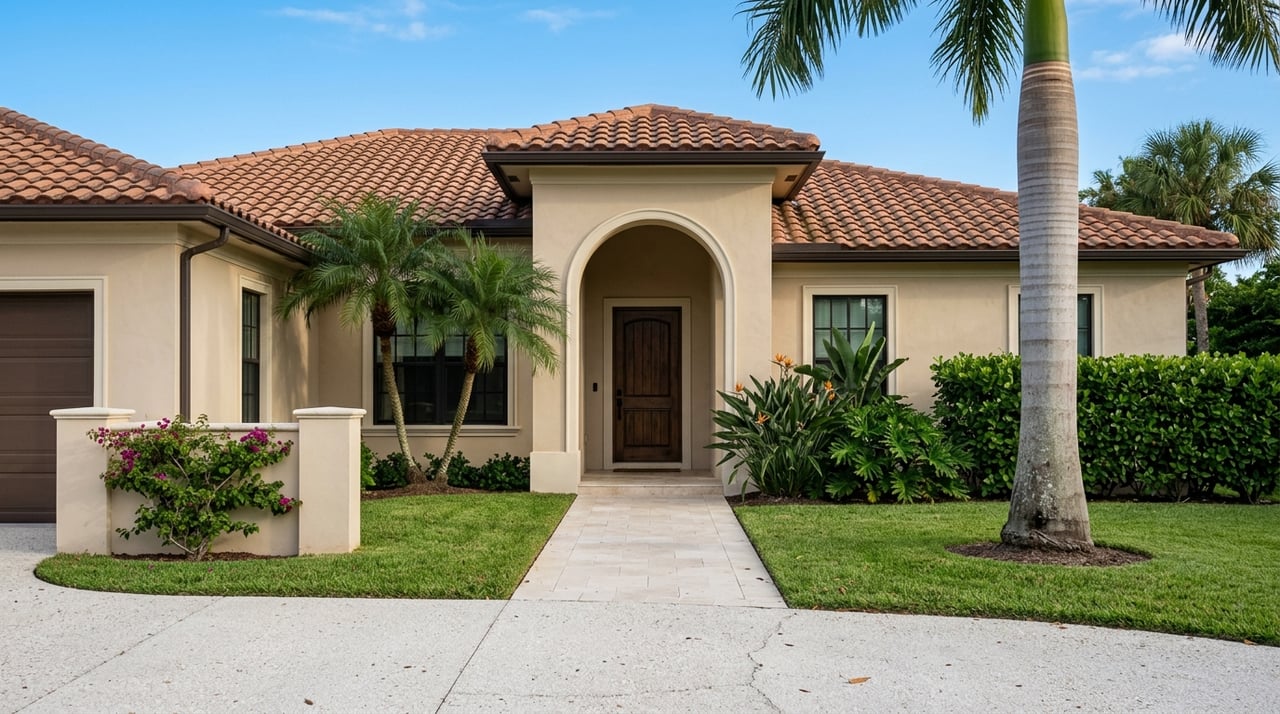
South Miami, Coral Gables, Pinecrest, and Palmetto Bay prioritize space and privacy over vertical amenities. You will find larger lots, more outdoor living, and parks and community programming. Coral Gables offers a walkable downtown around Miracle Mile and Shops at Merrick Park, yet its residential streets read quieter and more traditional than Brickell. In Pinecrest and Palmetto Bay, the focus tilts to backyard space and parks, such as the popular Pinecrest Gardens, plus village sports fields and neighborhood green space.
Parking is another everyday factor. Brickell condos often include one assigned garage space. Guest parking can be limited and valet fees or building rules may apply. In the suburbs, driveways and garages support multiple cars, weekend projects, and gear-heavy hobbies.
Public school options vary by attendance zone and should be verified for each address. Families often reference South Miami K-8 Center, Pinecrest Elementary, and the Palmetto-area schools as strong options, while Coral Gables also has a concentration of private schools and proximity to the University of Miami. Always confirm the current attendance map with the district, and visit schools to get a direct sense of programs and culture. To start your research, review parent-facing data for South Miami K-8 Center on GreatSchools.
Condo ownership concentrates exterior maintenance within the association. You benefit from a master insurance policy on common areas and building exteriors, but you must confirm what is covered and where your unit policy begins. Pay close attention to the budget, reserves, and loss assessment coverage. Special assessments can occur when boards fund major repairs or deferred maintenance, so it is smart to review the association’s financials and meeting minutes before you buy.
Older high-rises also face milestone or recertification inspections on a set schedule. These inspections can uncover structural, electrical, or life-safety items that require capital projects. That is a condo-specific risk you will not face with a single-family home. To understand how municipalities approach recertification, review local guidance on building and code compliance for an example jurisdiction in Miami-Dade County: Municipal building recertification information.
Single-family homes avoid association assessments in most cases, but you take on your own capital reserve planning. Roofs, impact windows and doors, generators, pools, and large HVAC systems are common big-ticket items. Yard care and tree maintenance are recurring costs that scale with lot size. For many families, that trade is worth it for private outdoor space and the ability to personalize the property.
Flood and wind exposure are essential in Miami-Dade, whether you buy a condo or a house. Flood insurance is separate from standard homeowner or condo policies, and lenders will require it for properties in Special Flood Hazard Areas. To stay ahead of costs, check parcel-level flood zones on the county viewer, then obtain flood quotes and wind quotes from two or more insurers before moving forward. For broader context on how flood rating changes have impacted premiums, see this overview from the local Realtor association.
Resale potential depends on product and location. Brickell’s condo market is vibrant with a steady pipeline of new towers, which gives you modern amenity options but also introduces competition when you sell. Building reputation, HOA governance, reserves, and rental policies influence buyer demand and financing. In the suburbs, inventory turns more slowly and choices are shaped by school calendars and family moves. Well-located single-family homes on larger lots tend to appeal to a consistent pool of move-up and relocation buyers.
Think about your five to seven year horizon. If you anticipate a job that favors transit or walkability, a Brickell condo can streamline weekday life and simplify travel. If you expect to need more bedrooms, a yard, and driveway parking, the suburbs will likely fit better. Both paths can work financially. What matters is aligning ongoing costs and lifestyle patterns with your daily reality.
Use this short list to compare homes confidently and avoid surprises.
Choose Brickell if you value walkability, building amenities, and short transit-enabled commutes more than private outdoor space. Your monthly budget will feature an HOA line item, and you will want to pay close attention to building reserves, assessments, and inspection timelines. Choose a South Miami suburb if you want larger lots, driveway and garage parking, and a home that can grow with changing family needs. You will assume more direct responsibility for maintenance and insurance planning, and your commute will likely center on driving.
Either way, you do not have to decide alone. If you want tailored neighborhood advice and a clear picture of total cost of ownership, connect with faustino diaz for a local, data-forward plan that fits your next move.
Stay up to date on the latest real estate trends.
Etiam non quam lacus suspendisse faucibus interdum. Orci ac auctor augue mauris augue neque. Bibendum at varius vel pharetra. Viverra orci sagittis eu volutpat.