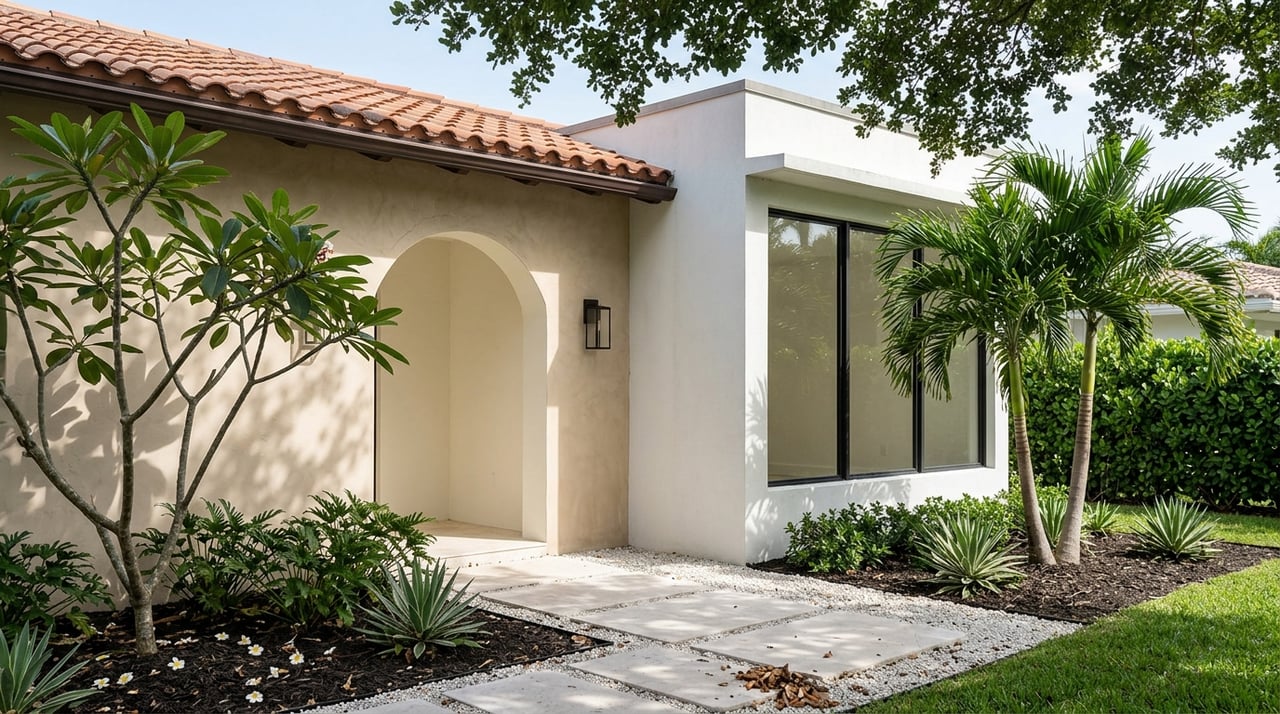
Historic Charm Or New Builds In Coconut Grove?
May 28, 2026
May 28, 2026
If you are drawn to Coconut Grove, you have probably already felt the pull of its personality. Few Miami neighborhoods make you choose so clearly between history and fresh construction, between a home with stories and a home with newer systems. The good news is that neither option is automatically better. The right fit depends on how you want to live, what kind of upkeep you can handle, and how comfortable you are with local rules. Let’s dive in.
Coconut Grove is widely recognized as Miami’s oldest neighborhood, with roots that reach back to the 1870s. Its history includes Bahamian influences, a long creative identity, and a built environment that ranges from modest cottages to Mediterranean-style estates.
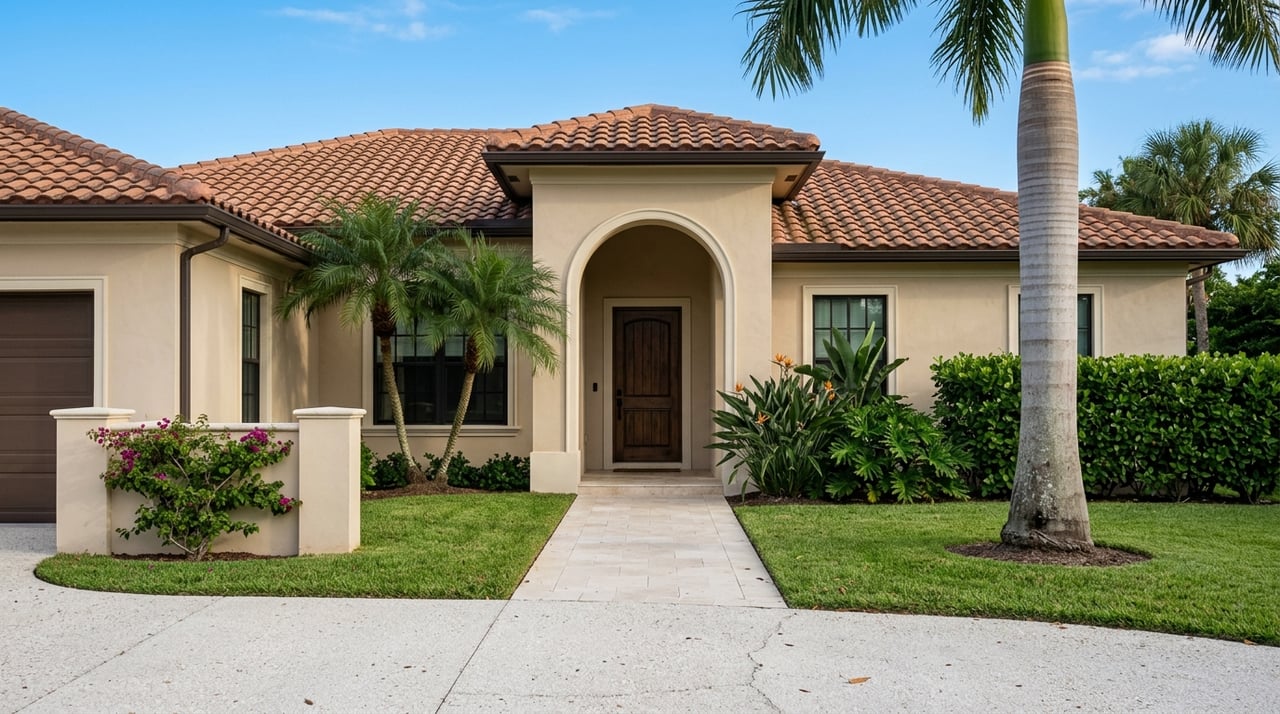
That mix matters when you start house hunting. In Coconut Grove, “historic” does not describe one single look. You may find Bahamian or conch houses, Craftsman bungalows, Mediterranean Revival homes, and newer infill properties all within the same broader area.
For buyers and sellers, that variety creates both opportunity and complexity. A home’s age, style, and exact location can affect not just appearance, but also renovation options, review requirements, and resale positioning.
Historic homes in Coconut Grove often stand out for character that is hard to duplicate. Features like front porches, raised foundations, shutters, weatherboards, masonry details, and climate-responsive rooflines give these properties a distinct sense of place.
In the Charles Avenue area, the City of Miami describes traditional conch houses as raised structures with broad gabled or low hipped roofs, double-hung sash windows, and prominent front porches. These details are part of what makes certain historic homes feel so connected to the Grove’s early architectural identity.
If you value originality, mature landscaping, and a one-of-a-kind address, a historic home may check boxes that a new build cannot. For many buyers, the appeal is emotional as much as practical. You are not just buying square footage. You are buying a home with a visual and cultural connection to Coconut Grove’s past.
Historic properties often offer design details that are difficult to recreate convincingly. Porches, natural ventilation features, traditional window patterns, and handcrafted exterior elements can make daily living feel more grounded and distinctive.
They can also benefit from scarcity. Because truly historic homes are limited in number, they may attract buyers who care deeply about authenticity and architectural identity when it comes time to sell.
In some cases, there may also be financial incentives for qualified rehabilitation work. Florida allows local property tax exemptions for certain historic rehabilitation projects, potentially for up to 10 years on the increase in assessed improvements, though eligibility and designation status matter.
Historic charm usually comes with extra responsibility. In parts of Coconut Grove, exterior changes, additions, major alterations, and demolition can trigger preservation or compatibility review.
That means your project timeline may not look the same as it would on a newer home. If a property falls within a historic district, conservation district, or another regulated area, you may need more approvals, more coordination, and more specialized repair work.
The City of Miami’s materials for Coconut Grove West and Charles Avenue show that projects can be reviewed for factors like scale, materials, roof slope, massing, and ornamental details. Structures over 50 years old may also be referred for historic review before demolition.
This does not make historic ownership a bad choice. It simply means you should go in with open eyes. The real question is whether you want to own both the beauty and the responsibility that come with an older home.
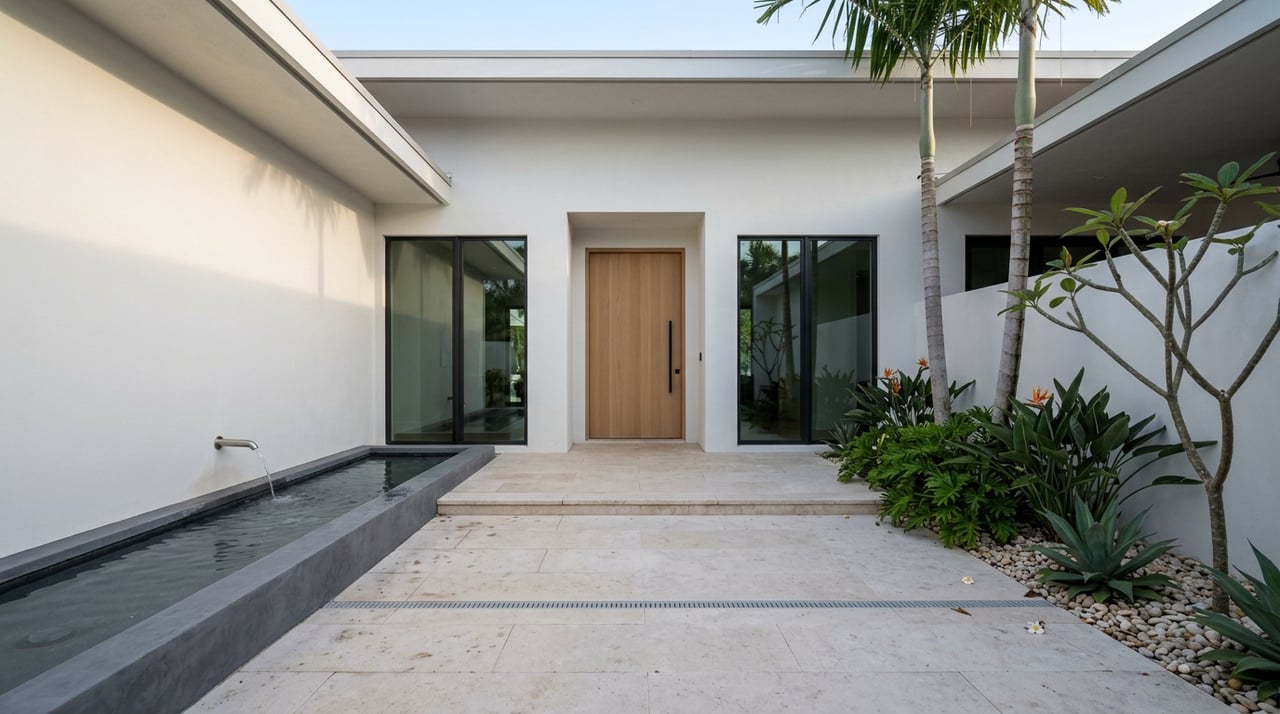
Newer homes and townhomes in Coconut Grove appeal to buyers who want a more predictable ownership experience. In general, newer construction benefits from more recent systems and current code standards.
That can be especially important in South Florida, where building standards, energy efficiency requirements, and storm-related product approvals all play a role in long-term maintenance. While every home still needs a careful inspection, newer construction often reduces near-term capital repair risk because major components are newer.
For many buyers, that translates into peace of mind. If your priority is a cleaner short-term maintenance profile, a new build may feel easier to manage from day one.
A newer home often offers updated layouts, contemporary materials, and systems built to current code. If you prefer a turnkey feel, newer construction may better match your expectations.
This can also matter if you are balancing a move, work demands, or a tight timeline. Some buyers want to personalize finishes over time, but they do not want to start ownership with immediate roofing, window, or structural concerns.
That practical appeal is real in Coconut Grove. New construction and newer townhomes continue to attract buyers who value efficiency, lower early maintenance needs, and a more straightforward ownership path.
One of the biggest misconceptions about Coconut Grove is that a new build always has total design freedom. That is not necessarily the case.
In conservation areas like Charles Avenue, new construction may still face waiver review and Urban Development Review Board review. The rules can address scale, materials, roof slope, massing, and decorative details, all with the goal of preserving the neighborhood’s physical character and tree canopy.
So if you are considering a new home or planning to build, the key is to verify the parcel’s exact regulatory status early. In Coconut Grove, the difference between one block and the next can be significant.
The best way to compare historic charm and new construction is to think beyond style alone. Your decision should reflect how much maintenance, regulation, and customization you want to take on.
Here is a simple framework to help guide the choice:
A historic Coconut Grove home may be the better fit if you want:
This route may suit you if you are comfortable with more customized upkeep and potential review requirements for exterior work.
A newer home or townhome may be the better fit if you want:
This route may make sense if you want a home that feels easier to manage in the near term.
In Coconut Grove, the smartest buyers ask a few location-specific questions before they fall too hard for either option. These details can shape both your budget and your future plans for the property.
Start with the property’s district status. You will want to confirm whether the parcel is in a local historic district, a neighborhood conservation district, both, or neither, because the rules can differ substantially.
Next, verify flood-related information. Miami-Dade advises buyers to check the exact flood zone, elevation, coastal high-hazard status, and future sea-level vulnerability using county mapping tools and related resources.
If the home is older, ask whether it has historic designation or eligibility rather than assuming age alone creates that status. That distinction can affect what rules apply and whether preservation-related tax incentives may be available.
Finally, review the practical side of ownership. Whether the home is historic or new, inspection findings, permitting history, windows and doors, and any planned future work should all be part of your due diligence.
If you are selling in Coconut Grove, the old-versus-new question also affects how your home should be positioned. Historic homes and new builds can both perform well, but they attract buyers for different reasons.
Historic homes tend to draw interest through authenticity, rarity, and architectural story. Buyers in this segment may respond to preserved details, lot character, and the sense that the home could not easily be replicated.
Newer homes usually compete on efficiency, condition, and turnkey appeal. Buyers may focus more on layout, current finishes, newer systems, and ease of ownership.
That is why pricing and presentation matter so much in Coconut Grove. The strongest strategy is not to market every property the same way. It is to understand what your specific home offers, what local rules shape it, and which buyer is most likely to see its value.
In Coconut Grove, the real choice is not simply historic charm or new construction. It is whether you want to own more character or more predictability, more architectural legacy or more recent convenience.
For some buyers, nothing will replace the feeling of a porch-front historic home with deep roots in the neighborhood. For others, a newer residence with current systems and a simpler maintenance profile will feel like the smarter fit.
The key is to evaluate the property block by block, not just by style. In Coconut Grove, regulations, preservation review, and long-term upkeep can vary more than many buyers expect.
If you want guidance on how a specific Coconut Grove property fits your goals, reach out to faustino diaz. You will get local insight, practical guidance, and a high-touch approach built around your next move.
Stay up to date on the latest real estate trends.

Etiam non quam lacus suspendisse faucibus interdum. Orci ac auctor augue mauris augue neque. Bibendum at varius vel pharetra. Viverra orci sagittis eu volutpat.