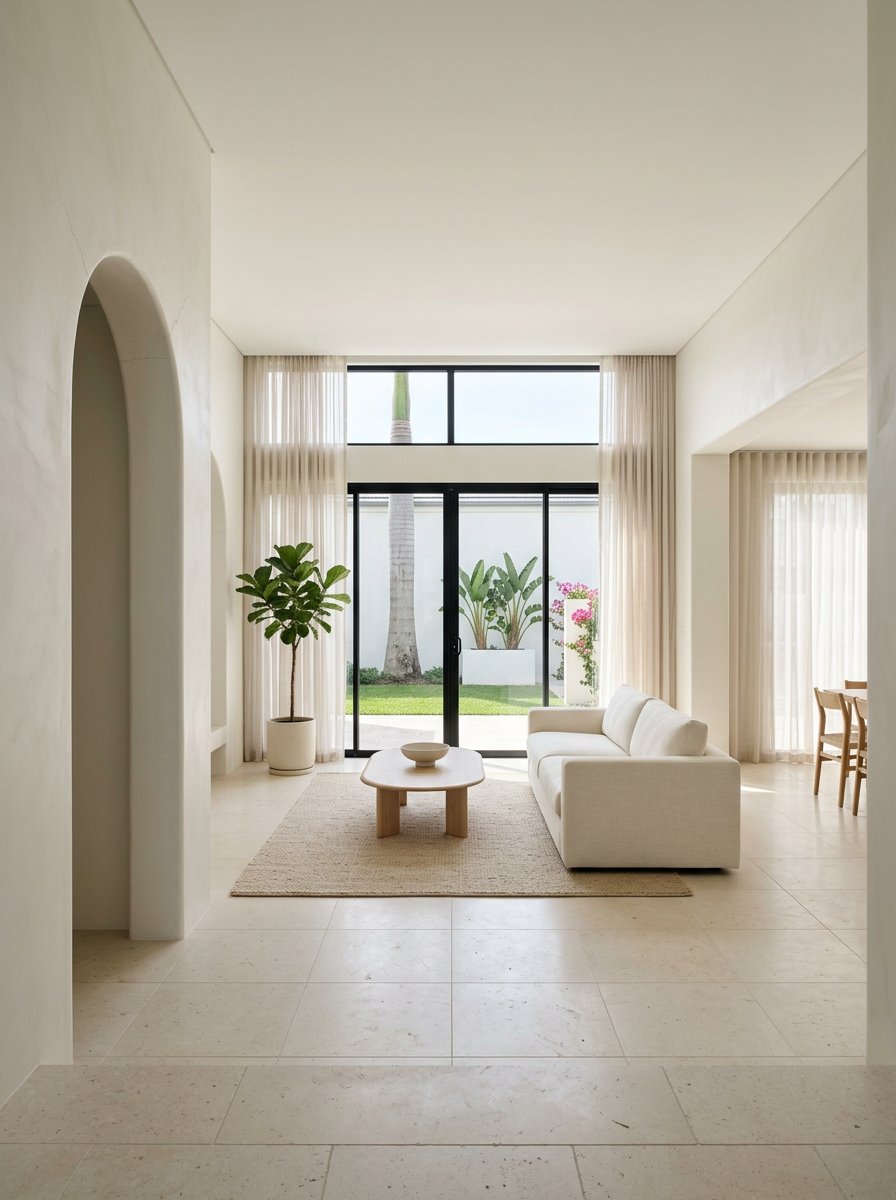
Buying A Home In The Falls: Older Gems And Newer Builds
March 24, 2026
March 24, 2026
Touring homes in 33176 and torn between a charming ranch with a pool and a sleek rebuild with impact glass? You are not alone. Buyers in The Falls area of Kendall weigh character, lot size and renovation potential against modern layouts and lower upkeep. In this guide, you will learn how older gems stack up against newer builds, what typical prices look like right now, and the key inspections, insurance and renovation steps that matter in Miami-Dade. Let’s dive in.
The Falls centers around the open-air shopping destination known as The Falls, a local landmark for retail, dining and services in Kendall. You get suburban comfort with quick access to medical providers, Dadeland-area shopping and major corridors. The area’s mix includes single-family neighborhoods, gated enclaves, townhome communities and low-rise condos, which gives you options across price points and maintenance levels. Many families appreciate the larger lots, private yards and nearby public and private school choices.
For location context, learn more about The Falls mall and the surrounding Kendall area.
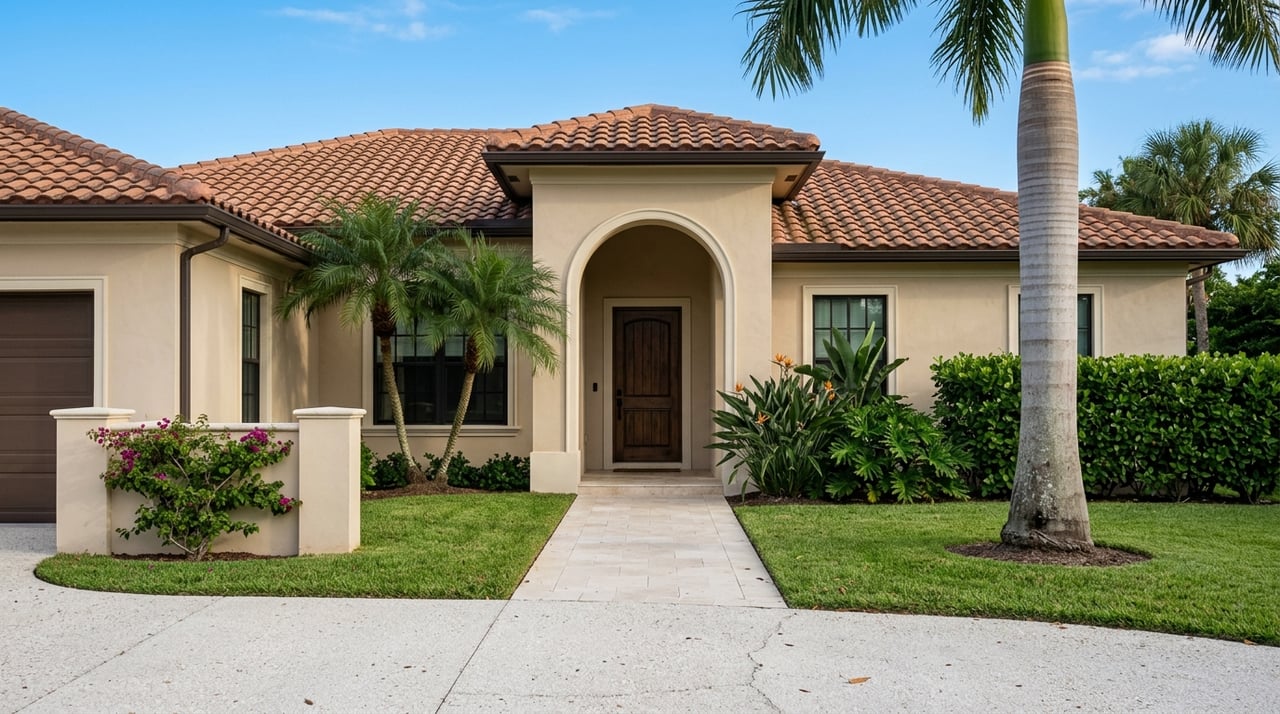
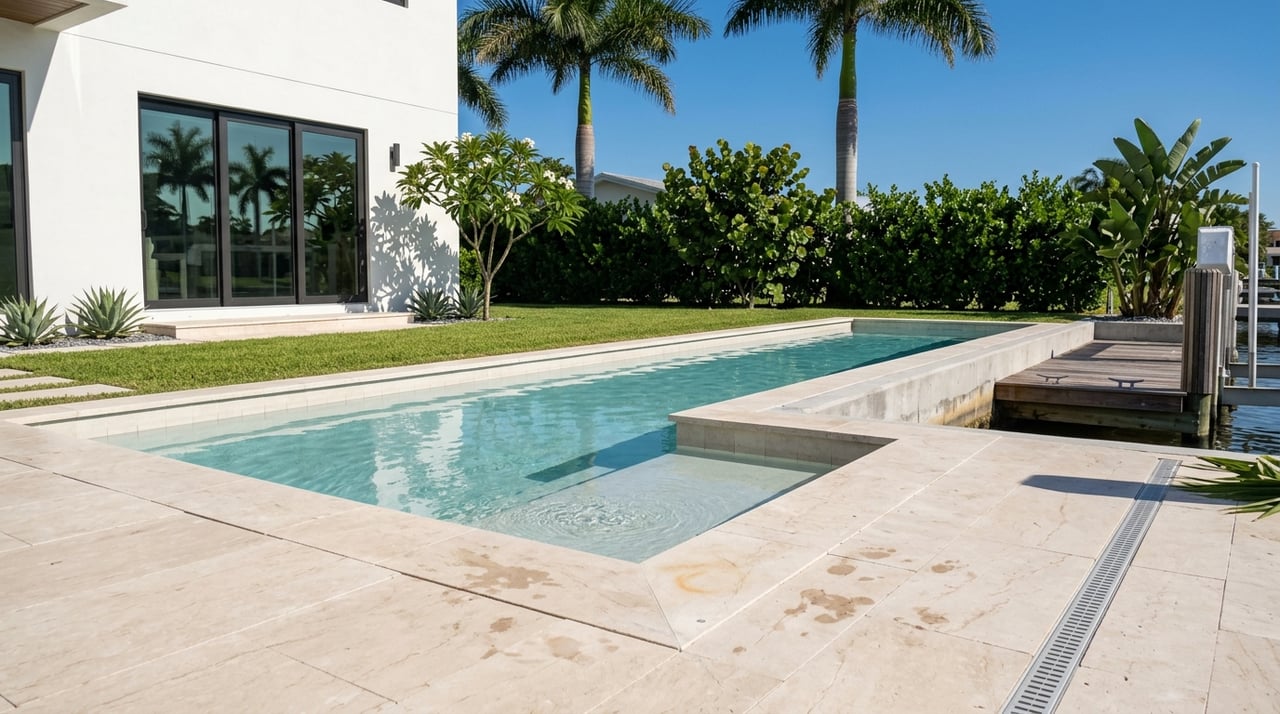
Many “older gems” near The Falls were built in the 1970s and 1980s. You will see single-story ranch and split-plan layouts, tile floors, formal living and dining spaces, and yes, plenty of private pools. These homes often sit on wider lots with mature trees, which is a big lifestyle draw.
Most older homes here use CBS, or concrete block, construction. That is a strong starting point in a wind-prone region, but you should still verify roof condition, flashing, window and door openings, and any past moisture issues. Expect to check the age of the roof, A/C systems and electrical panels. If the home has original systems, plan for upgrades.
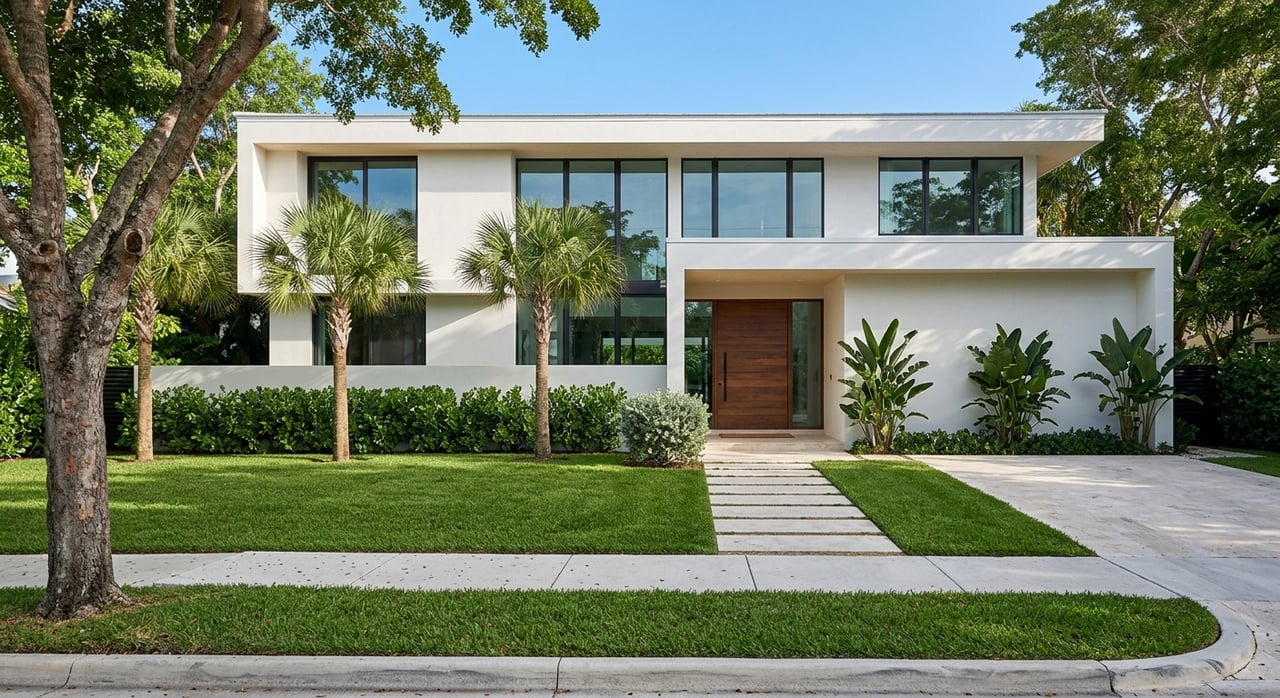
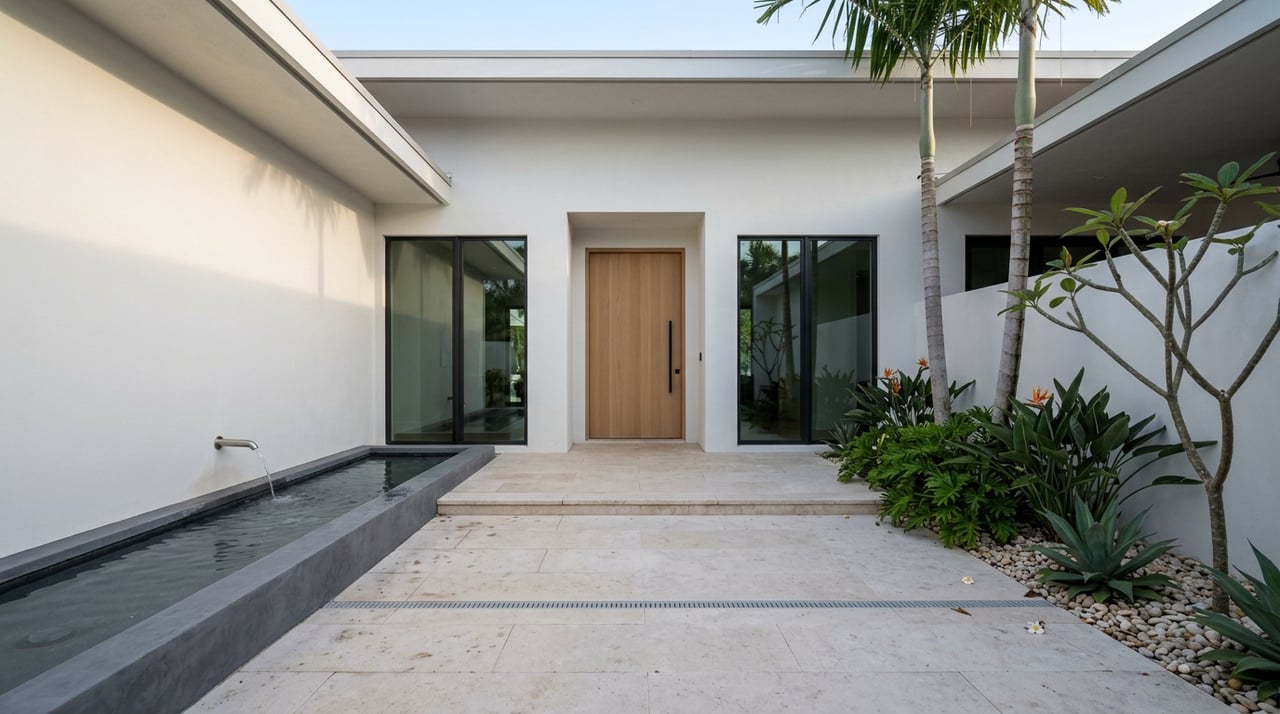
Newer homes in 33176 include 2000s subdivisions, one-off custom rebuilds on older lots and fully renovated estates. You will often find open-concept living, higher ceilings, expansive primary suites, contemporary kitchens, updated mechanicals and impact-rated windows and doors. These features can reduce maintenance surprises and may help with insurance eligibility and wind-mitigation credits.
In Miami-Dade’s High Velocity Hurricane Zone, windows, doors and roofing materials must meet specific approvals. You can look up product approvals in the county’s Miami-Dade product control NOA database to confirm what is installed.
As of March 2026, broad ZIP-level figures show a wide mix because condos and townhomes pull the median down while large estate sales pull the average up. Zillow reports an average home value around $613,000, Redfin shows a median sale price near $505,000, and Realtor.com’s median list price sits in the mid-$500,000s. For a specific home on a specific street, you should rely on a current CMA.
Here are practical ranges you will see around The Falls, depending on property type and condition:
Two quick examples to frame expectations:
Miami-Dade requires hurricane-rated products. Confirm any impact windows and doors are documented with Miami-Dade Notice of Acceptance or Florida Product Approval, and verify permits and final inspections where applicable. The county’s product approval search helps you match labels to approvals. Roof age and attachment methods are key items that affect both safety and insurance.
Even within the same neighborhood, flood zone designations can differ block by block. Check the parcel in FEMA’s Flood Map Service Center and review county resources like Miami-Dade’s flood protection brochure. If a lender requires it, you may need an elevation certificate to price flood insurance.
Florida’s insurance market has been changing. By early 2026, some carriers began approving rate decreases after state reforms, but premiums still hinge on roof age, mitigation features and flood zone. Get live quotes early, and share wind-mitigation and 4-point reports to pursue credits. For state-level context, see the Florida Office of Insurance Regulation’s recent insurance rate relief announcement.
In addition to a general home inspection, consider a wind-mitigation inspection and 4-point inspection, plus specialized checks for pool systems, sewer lines and wood-destroying organisms. Salt air and humidity accelerate wear on roofs and HVAC systems. A local overview of common findings is available from South Florida inspection guides.
Many buyers in The Falls weigh an older, well-located home with a renovation plan against paying a premium for a newer build. Renovations here often include code-driven upgrades like impact windows, permitted roofing and tie-downs, which can add cost and time.
Energy features are increasingly common on newer builds and major renovations. If you are evaluating solar in 33176, keep three things in mind:
Use this quick list to keep your search on track:
If you value a larger lot, mature landscaping and the freedom to tailor a home, an older property can be a smart buy when paired with a well-planned renovation. Focus on homes with solid bones where you can add impact openings and modernize systems. If you prefer turnkey living, newer builds deliver open plans, higher ceilings and impact protection out of the box, which can simplify insurance and reduce mid-term costs.
Either way, compare the total cost of ownership. Factor in purchase price, likely renovations or upgrades, HOA dues if applicable, and realistic insurance premiums based on the home’s actual features and flood zone. A clean, current CMA for your target block, plus inspection and insurance quotes early in due diligence, will help you choose confidently.
Ready to narrow your options in The Falls and see on-market opportunities that fit your budget and timeline? Connect with faustino diaz for a street-level pricing analysis, a tailored tour and a plan that balances value, lifestyle and long-term costs.
Stay up to date on the latest real estate trends.
Etiam non quam lacus suspendisse faucibus interdum. Orci ac auctor augue mauris augue neque. Bibendum at varius vel pharetra. Viverra orci sagittis eu volutpat.