Inside The Coral Gables Luxury Home Market
February 5, 2026
February 5, 2026
Is Coral Gables still the gold standard for Miami luxury living? If you are considering a high‑end home in the City Beautiful, you are weighing more than price. You are evaluating architecture, lot size, waterfront access, design controls, and long‑term resilience. This guide gives you a clear look at how the Coral Gables luxury home market works today and what that means for your plans as a buyer or seller. You will leave with practical steps you can act on and a framework to make confident decisions. Let’s dive in.
Luxury is a moving target across Miami‑Dade. In many parts of the county, the luxury line starts near $1 million. In Coral Gables, a realistic luxury threshold for single‑family homes often begins closer to $2 million and extends well into the $5 million, $10 million, and ultra‑luxury tiers. The exact bands shift with inventory and season.
As you define your search or pricing strategy, align with local MLS luxury filters for Coral Gables. Waterfront estate areas, large lots, and turnkey newer construction typically sit higher in the brackets. Historic properties or homes that need substantial renovation can price below newer rivals, even with strong architecture, because of the work involved.
South Florida’s luxury market has been shaped by strong post‑pandemic demand. Domestic relocation, international buyers, Florida’s tax environment, and lifestyle preferences continue to support high‑end activity. In Coral Gables, that demand is reinforced by established neighborhoods, a mature tree canopy, and institutional anchors like the Biltmore, University of Miami, and Miracle Mile.
Inventory has tightened and loosened in cycles since 2020. Coral Gables tracks these patterns but tends to be steadier because new supply is limited and historic areas are protected. Pricing has appreciated unevenly. Recently built or fully renovated estates, especially on the water, generally outperform homes that require heavy updates.
Seasonality matters. Buyer activity typically concentrates in the winter months, roughly January through April, as out‑of‑area purchasers visit and act. Many luxury transactions are cash, though jumbo financing remains common with stricter underwriting and larger reserve expectations.
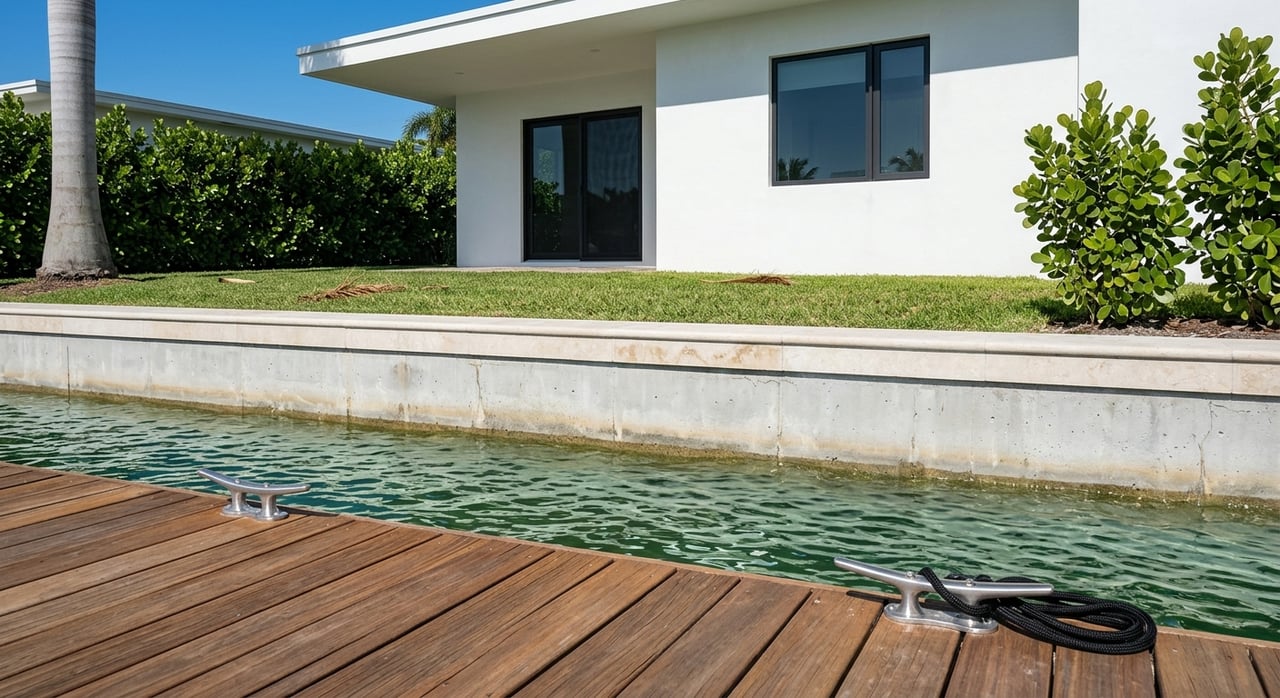
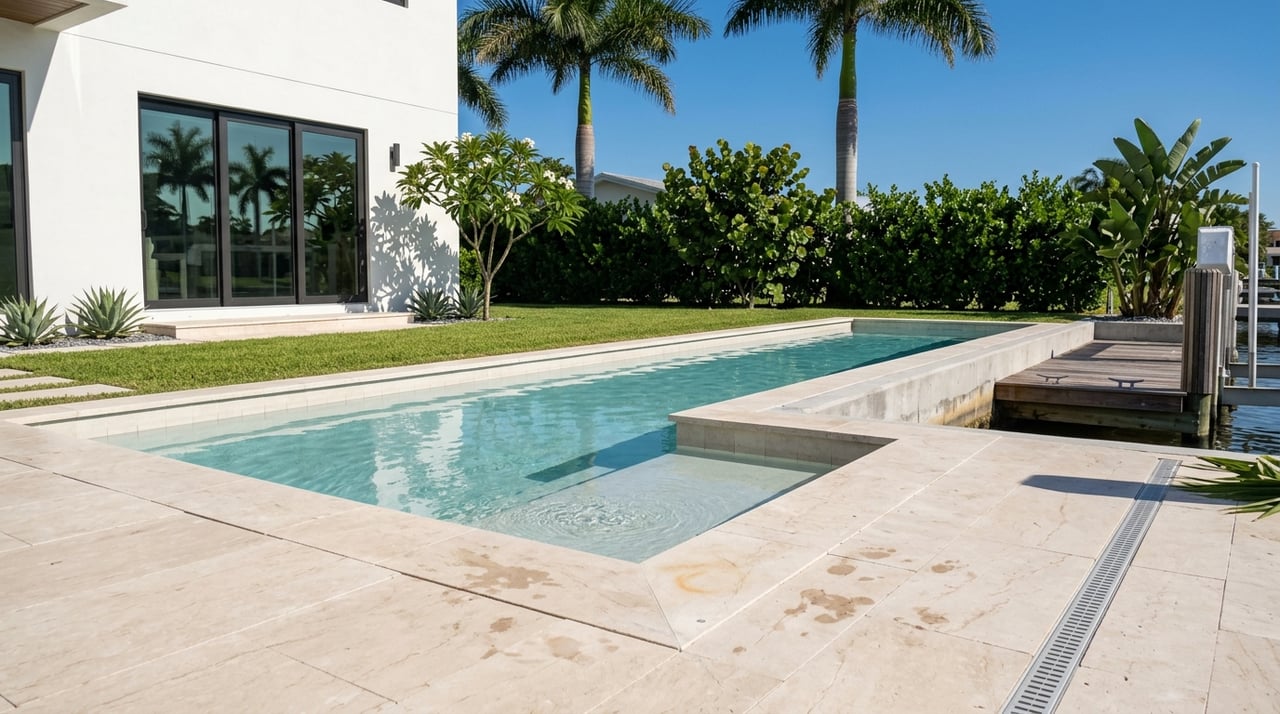
If you prioritize boating or bay access, start with Gables Estates and Cocoplum. These enclaves offer larger lots, privacy, and proximity to Biscayne Bay. Homes in these areas often include docks, boatlifts, and seawalls. When pricing is aligned with current comps, well‑presented waterfront listings can draw strong interest.
The Old Cutler corridor features large parcels, a mature canopy, and a blend of historic and newer homes. The Ponce Davis edge offers estate‑style living with quick access to Coral Gables amenities. Buyers focused on lot size and privacy often compare this area with Pinecrest when looking for outdoor living and room to grow.
Closer to Coral Gables’ commercial and cultural heart, you will see smaller lots compared with waterfront enclaves, plus a higher density of historic architecture. The tradeoff is walkable access to shops, dining, and civic spaces. If you value the urban village feel, this micro‑location can be a fit.
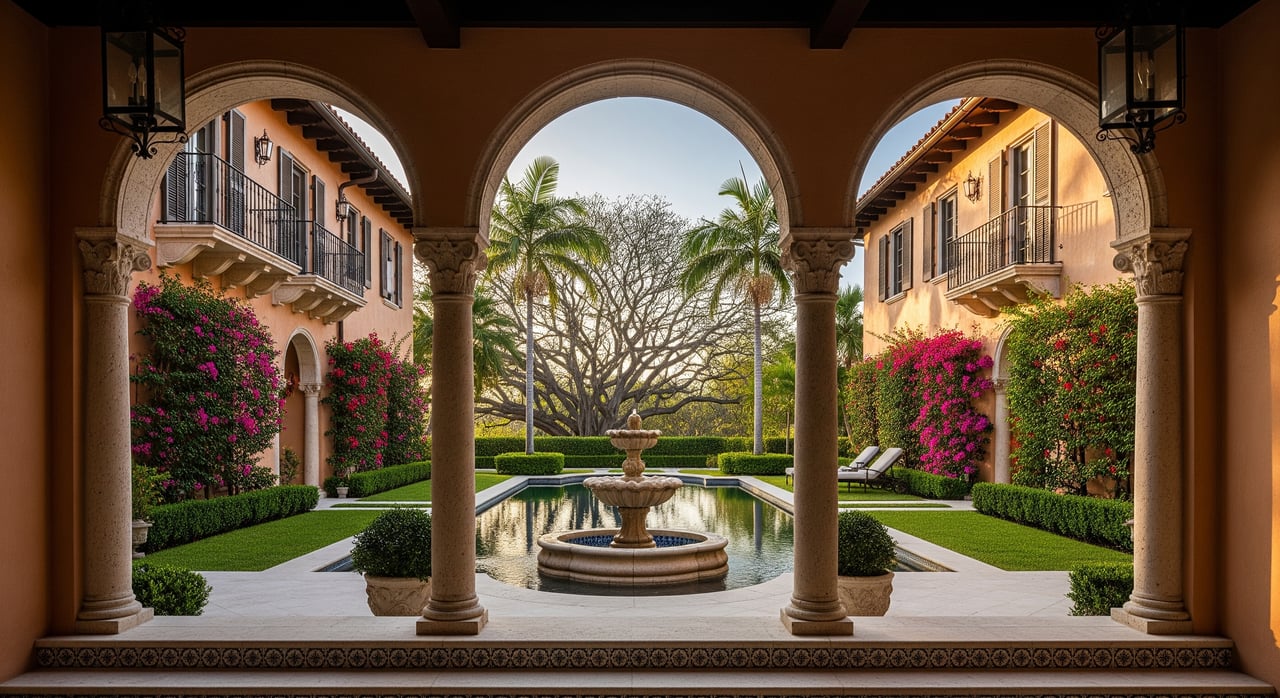
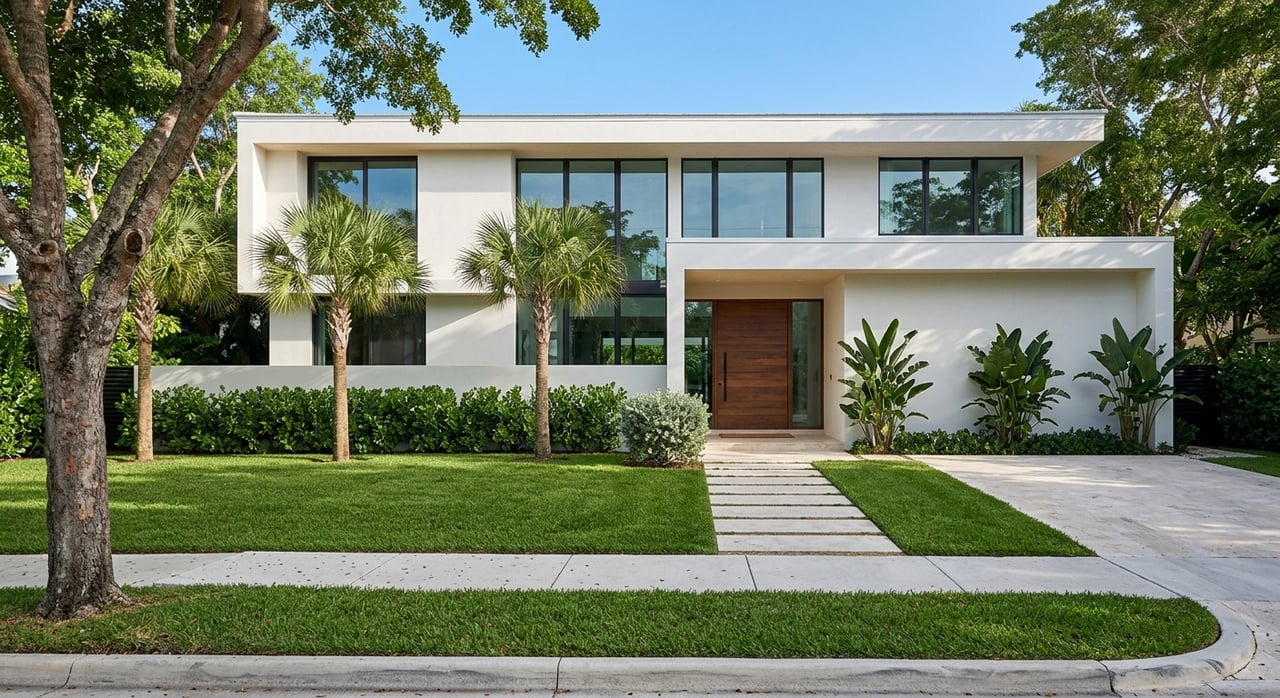
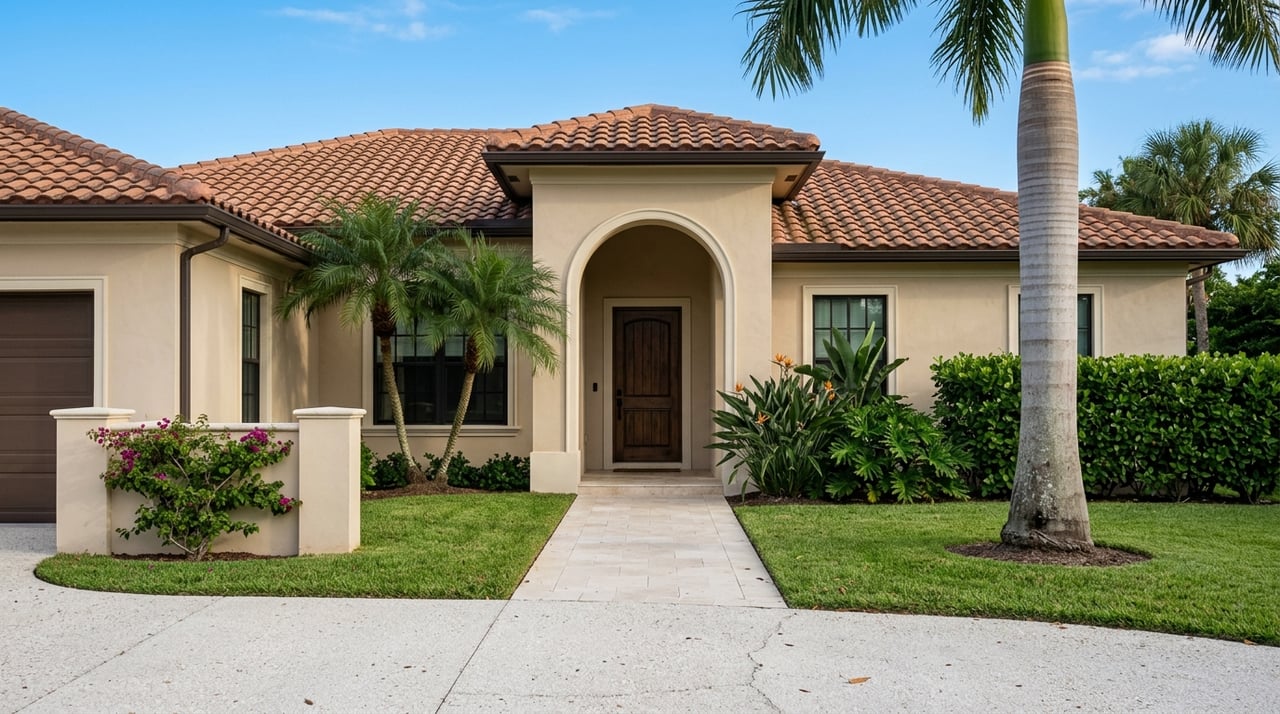
Coral Gables is known for Mediterranean and Spanish Revival architecture, along with Mediterranean‑contemporary hybrids and modern new builds. You will also find mid‑century and historic homes in select neighborhoods. Style influences not only aesthetics but also the scope of renovations, permitting, and marketing.
Homes in historic districts or with historically significant features often require Architectural Review Board approval for exterior changes. Allow more time for design and permitting, and plan for additional professional fees. If you favor a sleek, modern look in a historic shell, expect a careful, well‑documented renovation process to satisfy both design vision and city requirements.
Coral Gables enforces zoning rules that govern lot coverage, setbacks, and height. Major remodels and all new construction require permits. Waterfront properties have added layers. Seawalls, docks, and any dredging activity involve technical reviews and permits through the city and county coastal resources teams.
Insurance and resiliency are central to luxury due diligence. Flood zones and elevation can affect available coverage and premiums. Windstorm and hurricane insurance are also significant factors. Buyers increasingly request elevation certificates, review mitigation features like impact windows and roof systems, and examine the condition of seawalls and bulkheads on the water. Build these checks into your budget and timeline.
Because luxury markets shift quickly, validate your plan with current data. The most useful metrics include:
Confirm these figures using recent MLS or association reports. Supplement with reputable broker luxury reports for context. If you are weighing a renovation or pricing decision, look closely at the most recent 3 to 6 months, then compare to the same season last year for a cleaner read on seasonality.
The best outcomes in Coral Gables luxury come from accurate MLS data, thoughtful presentation, and steady negotiation. You deserve senior‑level guidance that blends neighborhood nuance with global marketing reach. If you are weighing a purchase, preparing a sale, or testing renovation ROI, connect with a local expert who can ground your plan in real numbers and on‑the‑ground intel.
Ready to talk through your next step in Coral Gables? Reach out to faustino diaz for a private consultation or request a personalized home valuation.
Stay up to date on the latest real estate trends.
Etiam non quam lacus suspendisse faucibus interdum. Orci ac auctor augue mauris augue neque. Bibendum at varius vel pharetra. Viverra orci sagittis eu volutpat.