Wondering what your Coral Gables luxury home is really worth? In a market where one street can mean a different water view, flood zone, or historic status, the right price is not guesswork. You want a strategy that respects your home’s uniqueness and speaks to the exact buyers who will value it most. In this guide, you’ll learn how waterfront vs. dry lots, historic designation, and renovation quality shape comps, appraisals, buyer pools, and days on market, plus a clear step-by-step pricing plan. Let’s dive in.
What drives value in Coral Gables
Waterfront vs. dry lots
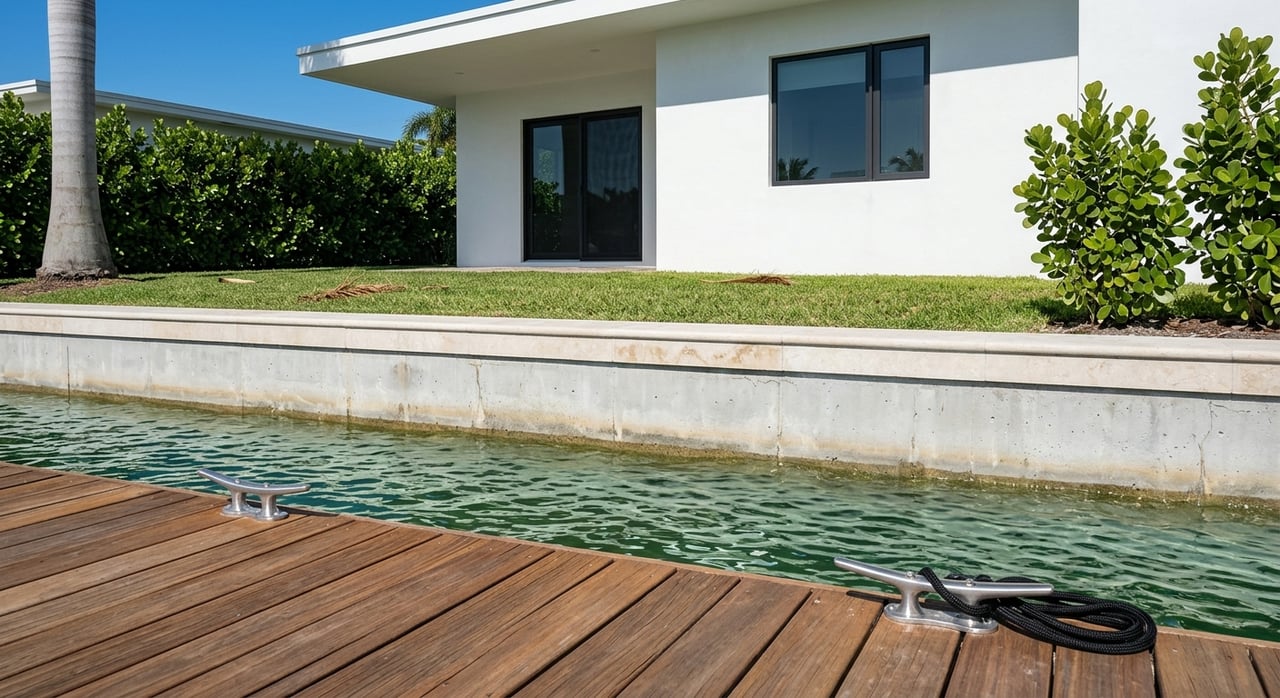
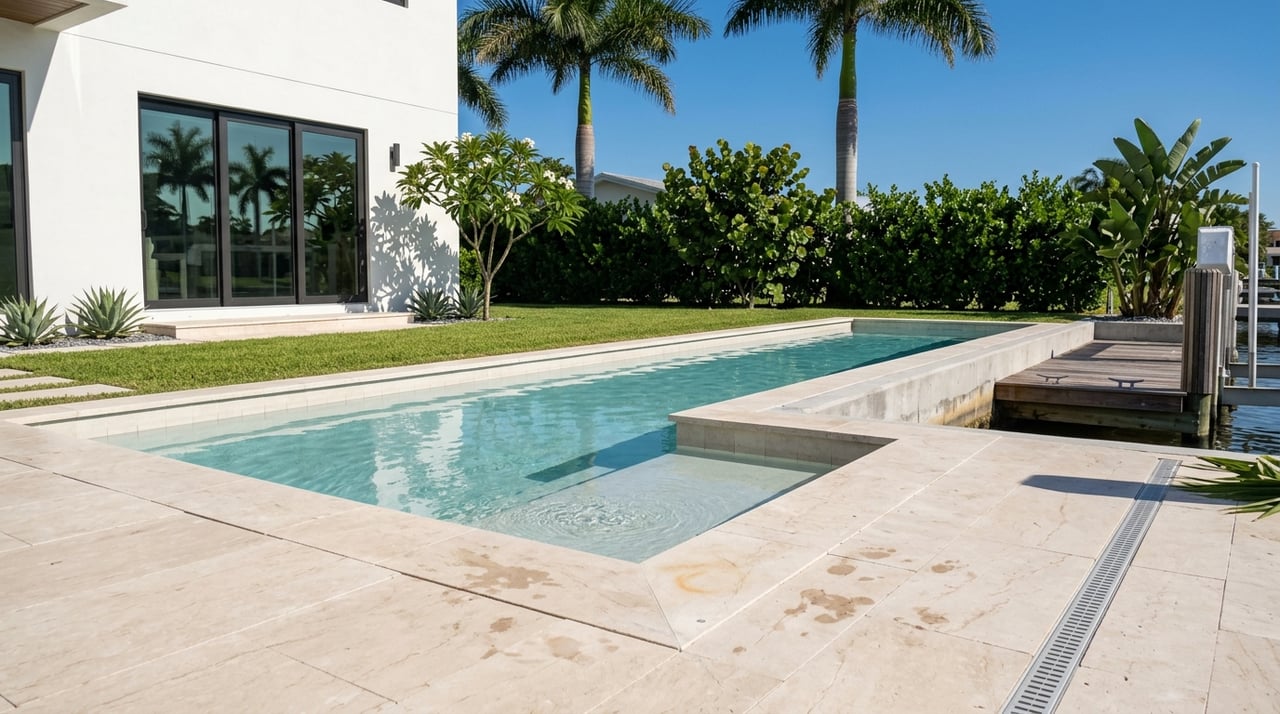
Water defines value in Coral Gables. Direct Biscayne Bay frontage with open views typically commands the highest premiums. Protected canals and lakes can still be valuable, but orientation, depth, and usability matter. If your dock can accommodate larger boats, and your seawall is in solid, permitted condition, your buyer pool expands and your price potential rises.
For pricing and appraisals, waterfront and dry lots belong in separate comp sets. Mixing them without well-supported adjustments produces misleading results. Insurance and flood risk also factor into value. Buyers weigh flood zone, base flood elevation, and expected premiums as part of total ownership cost, which affects offers and appraisals.
Historic designation
Historic homes can be highly desirable to buyers who value character and provenance. Designation helps protect architectural integrity, which can support value over time. At the same time, exterior changes often require review, which limits renovation flexibility. That constraint can reduce the buyer pool compared to a similar non-designated property. Appraisers will look for other historic comps and consider the cost and scope of any permitted restorations.
Renovation quality and documentation
At the luxury level, structural and systems work is often more important than finishes. Roof status, electrical, plumbing, HVAC, impact windows, and hurricane-related improvements carry significant weight. Permitted, well-documented renovations reduce buyer uncertainty and support higher valuations. Unpermitted work or incomplete renovations can trigger appraisal adjustments, escrow requests, or delays that hurt pricing power.
How appraisers view comps
Segmenting comp sets
Appraisers separate waterfront by water type and exposure. Open bay frontage is not the same as a protected canal, and comps should reflect that. Dry lots should be compared within the same sub-neighborhood and similar lot sizes. Historic properties deserve their own comp set when possible, with adjustments for preservation obligations and permitted work.
Adjustment analysis
Thoughtful adjustments are grounded in local evidence. Key categories include:
- Site factors: waterfront class, usable frontage, orientation, lot size, buildable area, elevation relative to flood benchmarks.
- Structure and layout: gross living area, bedroom and bathroom count, garage capacity.
- Quality and systems: era of construction, degree of renovation, impact windows, roof, HVAC, appliances, outdoor living.
- Restrictions and risks: historic constraints, covenants, unpermitted work, seawall condition and estimated repairs.
- Time and market: direction of the market since a comp closed.
Appraisers look for paired sales and local evidence first. When data is thin, they may use a cost-based approach for unique features or ultra-luxury renovations.
When comps are scarce
Luxury Coral Gables properties are diverse. If suitable comps are limited, appraisers will rely more on the cost approach and broader luxury comp sets with careful, transparent adjustments. That is common for top-tier waterfront and distinctive historic homes.
A clear pricing methodology
Follow this five-part plan to price with confidence.
Step 0: Prepare and document
- Verify legal and regulatory items: historic status, flood zone, elevation certificate, seawall and dock permits, and any HOA or deed restrictions.
- Assemble documentation: plans, contractor invoices, permits, warranties, survey, and recent utility or maintenance records.
- Order inspections as needed: structural, roof, pool, and marine specialists for seawalls, docks, and boat lifts.
Step 1: Build segmented comp pools
Create at least three comp sets, as relevant:
- Direct waterfront by water type: open bay, unblocked canal, protected canal, or lake.
- Non-waterfront within the same sub-area: similar lot size and quality.
- Historic-designated homes: with comparable preservation obligations.
- For ultra-unique homes, add a broader Coral Gables luxury set with similar lot scale and finish.
Step 2: Select and vet comps
- Prioritize closed sales within the last 6 to 12 months.
- Add pending and current listings for context and competition.
- Confirm permitting and condition for major elements, especially waterfront structures and recent renovations.
Step 3: Make evidence-based adjustments
- Favor paired sales and local data over generic percentage tables.
- Use cost or contributory value for items without strong local evidence, such as seawall repairs or specialized mechanicals.
- Account for flood risk and insurance costs as part of the market reality buyers face.
Step 4: Reconcile into a pricing band
- Present a credible value range, not a single number: low, likely, and high scenarios with clear rationale.
- Consider three strategies: market price to meet appraiser expectations, a slight incentive to stimulate traffic, or premium pricing when there is demonstrable, rare value and strong marketing reach.
Step 5: Validate with experts
- Order a pre-listing appraisal or local broker price opinion from an expert familiar with Coral Gables waterfront and historic inventory.
- Use the findings to fine-tune list price, support buyer financing later, and reduce surprises during underwriting.
Marketing, buyers, and DOM
Targeted outreach by buyer type
- Waterfront buyers: Highlight dock depth, seawall condition, usable frontage, and boating access. Drone aerials and virtual tours help showcase orientation and views.
- Historic buyers: Lead with provenance, architectural detail, and documentation of approved restorations and maintenance.
- Turnkey vs. renovation-focused: Be transparent about condition. Label properties clearly to avoid mismatched expectations and wasted showings.
- International and investor buyers: Provide clean, complete documentation on title, permits, insurance, and community rules to build trust quickly.
What shortens or extends days on market
- Pricing aligned to the real buyer pool is the strongest driver of DOM. Overpricing niche waterfront or historic properties can add months.
- Deferred maintenance and unpermitted work slow deals and drive concessions.
- High-quality, targeted marketing reaches the small qualified audience faster, improving both DOM and negotiation leverage.
Common pricing mistakes
- Mixing waterfront and dry comps without transparent, well-supported adjustments.
- Ignoring flood risk and insurance costs that affect monthly affordability and buyer offers.
- Listing without permits, elevation certificates, or documentation for major work.
- Overvaluing cosmetic finishes while overlooking structural systems or seawall condition.
- Underestimating the impact of historic restrictions on buyer flexibility and demand.
- Leaning on price-per-square-foot without context in a diverse luxury market.
- Skipping a local appraiser or broker with waterfront and historic expertise.
Pre-listing checklist
- Get an elevation certificate if not already on file.
- Commission structural and marine inspections; obtain repair estimates where needed.
- Gather permits, plans, and contractor invoices; identify any unpermitted items.
- Order a recent survey showing lot lines and water frontage.
- Obtain a pre-listing appraisal or broker opinion specific to Coral Gables luxury inventory.
- For historic homes, summarize preservation obligations to share with buyers.
- Review likely insurance premiums so buyers can assess total costs.
- Complete critical system upgrades that materially affect value: roof, impact windows, HVAC, and major deferred maintenance.
- Prepare marketing assets that showcase water access, views, historic features, and permitted upgrades.
Your next step
If you want a precise pricing plan tailored to your property’s water class, elevation, historic status, and renovation profile, let’s talk. A thoughtful strategy, supported by documentation and targeted marketing, helps you sell faster and smarter in Coral Gables. Connect with faustino diaz to request a personalized home valuation and a detailed pricing roadmap.
FAQs
How does flood risk affect pricing in Coral Gables?
- Buyers factor flood zone, elevation certificates, and expected insurance premiums into total ownership cost, which directly influences offers and appraisals.
What makes open bay frontage worth more than a canal?
- Unobstructed views, exposure, and boat access on open bay typically carry higher premiums than protected or obstructed canals, assuming seawall and dock are usable and permitted.
Do historic homes always sell for more?
- Historic designation can support value for buyers who value character, but renovation limits may reduce the buyer pool; strong documentation of permitted restorations helps maximize price.
Why separate waterfront and dry comps?
- They serve different buyer pools and carry different risk and amenity profiles; combining them without clear adjustments leads to inaccurate pricing.
Which renovations add the most value for luxury buyers?
- Structural and systems upgrades like roof, impact windows, HVAC, and permitted electrical and plumbing often outweigh purely cosmetic updates in appraisals and buyer decisions.