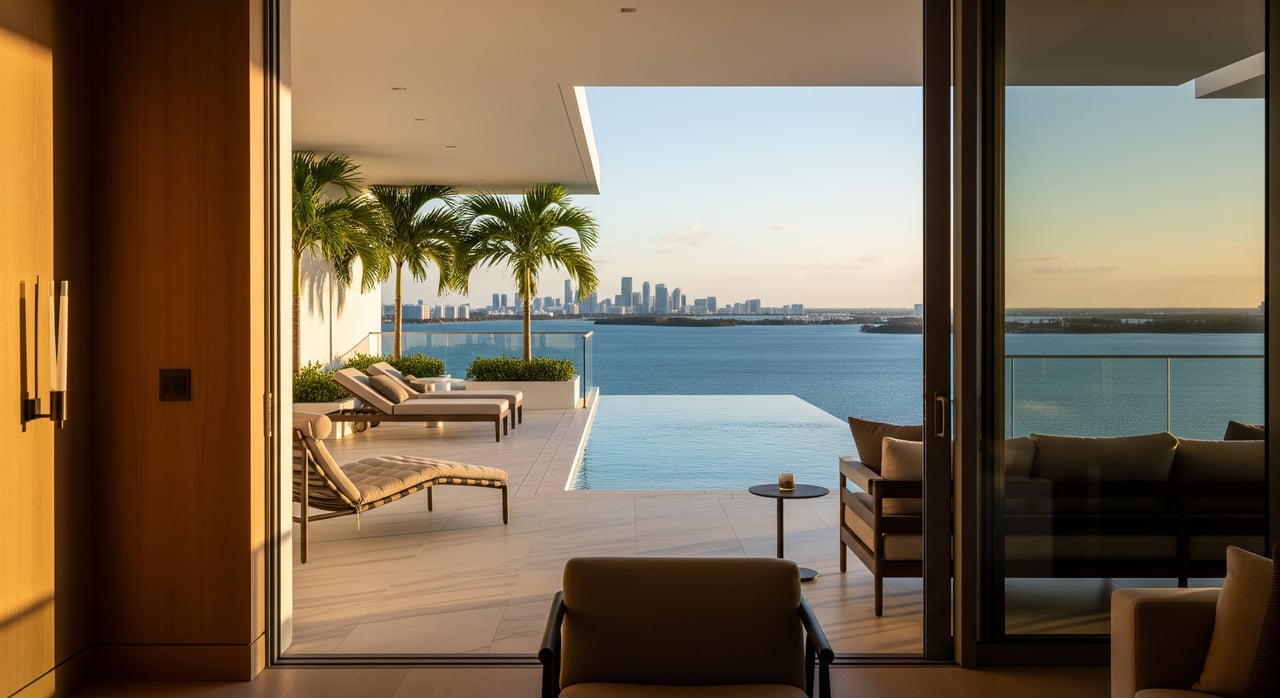
Miami Luxury Market Trends in Miami-Dade Explained
January 1, 2026
January 1, 2026
Is Miami’s luxury market cooling, holding, or quietly heating up in select pockets? If you are weighing a move or considering a high‑value sale, the noise can feel overwhelming. You want clear signals you can trust, not headlines. In this guide, you’ll learn how to read cash share, the condo pipeline, and inventory velocity across Miami‑Dade so you can time your decision with confidence. Let’s dive in.
Miami’s luxury market splits by product type and neighborhood. High‑rise luxury condos cluster in Brickell, Edgewater, Miami Beach, Sunny Isles, and Bal Harbour. Single‑family luxury concentrates in Coral Gables, Pinecrest, Coconut Grove, Key Biscayne, and select island enclaves.
For clarity in this guide, think in price bands:
Each band behaves differently, and the metrics below help you read the trend lines.
Post‑2020 domestic migration from the Northeast and California and consistent international interest from Latin America, Canada, and Europe continue to shape demand. Second‑home and pied‑à‑terre buyers often focus on waterfront and full‑service buildings. Owner‑occupiers and relocators tend to target single‑family homes in established neighborhoods.
Higher mortgage rates generally slow financed demand and make cash more influential. Many high‑end buyers use cash or jumbo financing, yet borrowing costs still affect price sensitivity and time on market.
Miami’s luxury segments historically show a higher cash‑purchase share than many U.S. metros. A rising cash share supports quicker closings and fewer financing fall‑throughs. Watch quarterly changes as a real‑time signal of buyer confidence.
A steady wave of high‑end condo projects in Brickell, Edgewater, Sunny Isles, and Miami Beach can shift local supply quickly as buildings deliver. Pre‑sale absorption, developer incentives, and delivery timing influence pricing and negotiation room for both new and resale units nearby.
Waterfront and amenity‑rich neighborhoods have limited developable land, which supports premiums for single‑family homes. Zoning and design guidelines in places like Coral Gables and Coconut Grove keep density in check and preserve neighborhood character.
High‑income job growth and global wealth hubs feed Miami’s luxury demand. Tourism and rental potential attract investors, but local short‑term rental rules vary by municipality. Always confirm restrictions if rental income is part of your plan.
Months of supply is the backbone metric: active listings divided by monthly closed sales. Use it by price band and submarket.
Compare pending sales versus new listings to see if demand is outpacing supply in real time.
Rising median days on market can signal waning demand or pricing gaps. Luxury property DOM is normally longer than the overall market, so always compare like for like by product type and neighborhood.
Cash share is the percentage of closed sales without recorded mortgage financing. Higher cash share can reduce appraisal risk and speed closings. Track it quarterly within your target price band.
For condos, monitor units under construction, pre‑sale absorption, and expected delivery dates. New supply in one corridor can widen your choices and prompt incentives. For single‑family, watch new‑build activity and permitting since lot scarcity often limits quick supply increases.
Short swings over 30 to 90 days can be seasonal, especially in Miami’s winter and spring. Look at 12‑ to 24‑month trend lines to separate noise from signal.
An established single‑family luxury hub with historic architecture and curated streetscapes. Inventory is tight, and renovated or turn‑key homes often see resilient interest. Rare waterfront and estate listings can reset local pricing when they trade.
Known for larger lots and an emphasis on yard and space. Listing activity often follows the school‑year calendar for relocating households. With limited lot availability, new construction tends to be selective and high specification.
A mix of older estates and modern infill with pockets of bayfront living. Buyers often value walkability and privacy. Zoning and redevelopment decisions can influence near‑term supply.
Island lifestyle with a blend of single‑family homes and low‑rise condos. Limited buildable land supports value for well‑located properties. Timing is often influenced by second‑home and international cycles.
High‑rise luxury corridors with active development. Watch pre‑sale velocity, HOA reserves, special assessments, and developer incentives. Resale pricing often moves with new‑delivery competition and building‑level amenities.
A mix of beachfront condos and select single‑family enclaves. International demand and tourism patterns influence activity. Maintenance and coastal resilience investments can affect carrying costs and resale positions.
A tower corridor popular with second‑home and international buyers. Concentrated new deliveries can change the balance quickly. Larger residences often carry higher HOA costs, which matter for investor returns.
A niche ultra‑luxury submarket with very limited supply. Many sales occur privately, so MLS data may underreport activity. Deed records and specialized reports give a fuller picture.
You deserve clear guidance backed by local expertise and institutional reach. As a Coral Gables‑based, senior‑led team, we focus on high‑value single‑family homes from Coral Gables and Pinecrest to Coconut Grove and South Miami. We pair neighborhood nuance with premium marketing and MLS accuracy through Coldwell Banker Global Luxury channels to position your home or offer for the best outcome.
Whether you are relocating for lifestyle and lot needs or planning a strategic sale, we will help you read the signals that matter and act at the right moment. When you are ready, connect with faustino diaz for guidance and to Request a Personalized Home Valuation.
Stay up to date on the latest real estate trends.
Etiam non quam lacus suspendisse faucibus interdum. Orci ac auctor augue mauris augue neque. Bibendum at varius vel pharetra. Viverra orci sagittis eu volutpat.